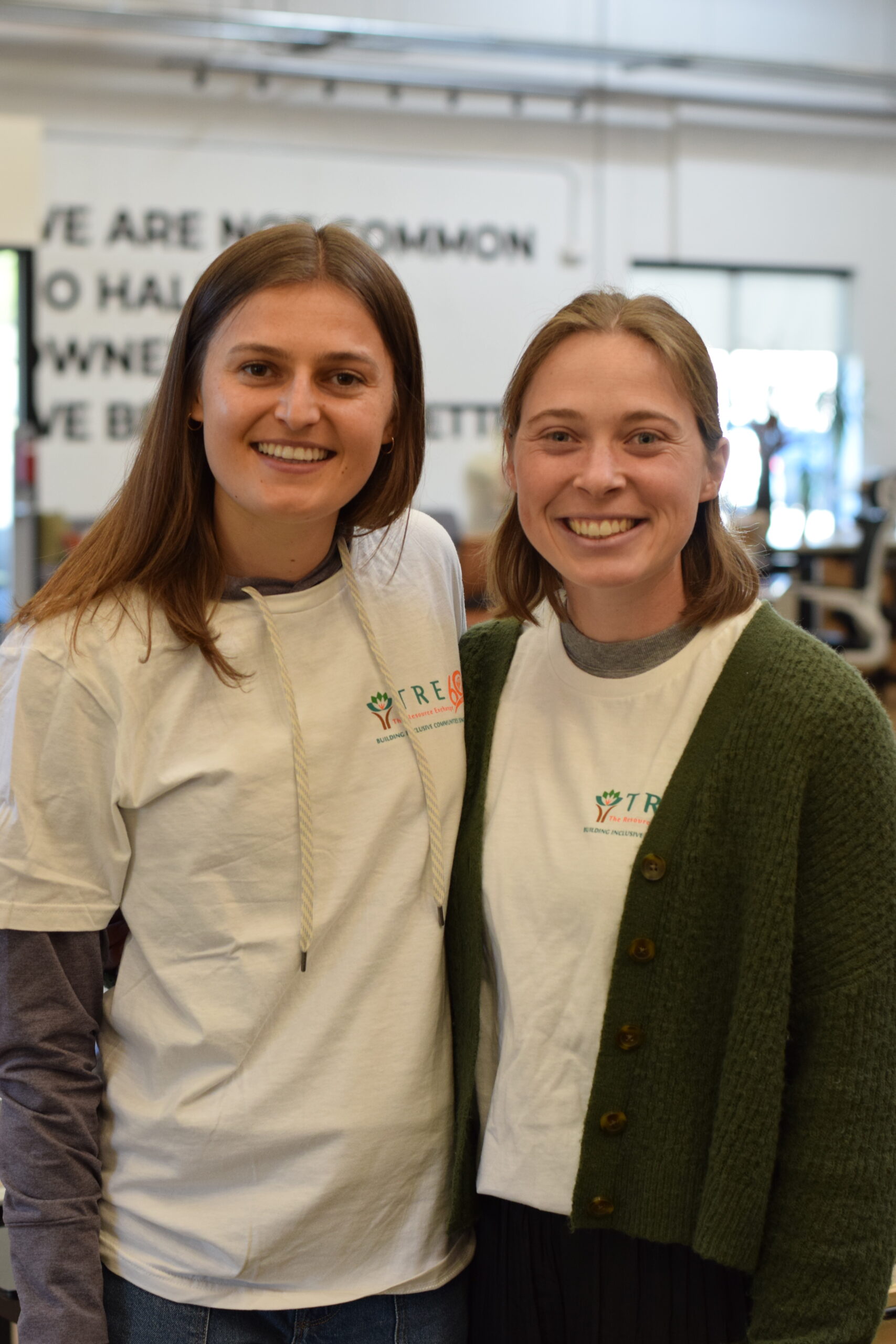
In partnership with UC Medical Students Grace Thompson and Cabrey Allison, TRE was able to provide a hands-on adaptive toy workshop for families it serves.
Why Adaptive Play Matters
Play is essential for every child’s social, emotional, and physical development. However, for many of the children that TRE serves, many toys aren’t accessible – which is where toy adapting comes into play. By modifying electronic toys to have larger buttons and switches, children with disabilities are able to operate the toys themselves, even with limited dexterity. However, adaptive toys can be more expensive, which families would need to pay for out of pocket since they aren’t covered by insurance.
Grace and Cabrey combined their passion for pediatric and disability care into this project, gaining funding support from Slay Community Scholars, which funds community-engaged projects within the CU Anschutz community.
“This has been far and away one of the biggest highlights of my medical school experience,” Cabrey says. “It’s made me think a lot more about multidisciplinary care and how important it is to have those teams and be able to treat the whole person.”
Personalized Impact
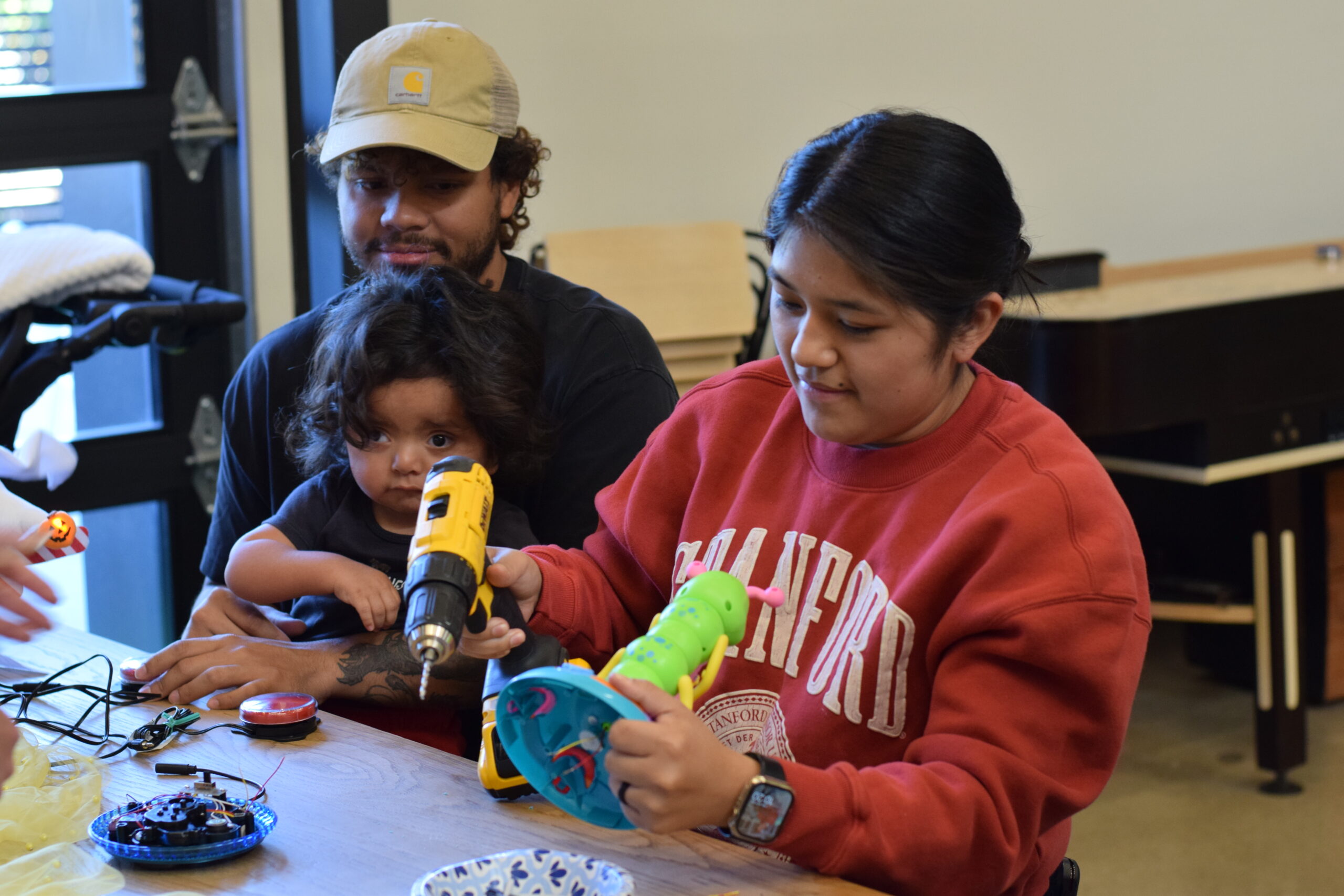
During the event, each family was able to select a toy and learn how to adapt it with help from TRE staff and volunteers. Working hands-on with the families empowered the parents with the ability to modify other toys at home, creating a lasting impact beyond the workshop itself.
“It was inspiring seeing everyone work together to be able to supply these kids with a toy specifically made for them,” Grace says. “I think the most rewarding part was watching the kids play with the toys after they had been created — in particular the bubble machines were a huge hit — and it was heartwarming seeing these kids be able to hit the large switch or toggle button and see the bubbles turn on in a toy that was originally designed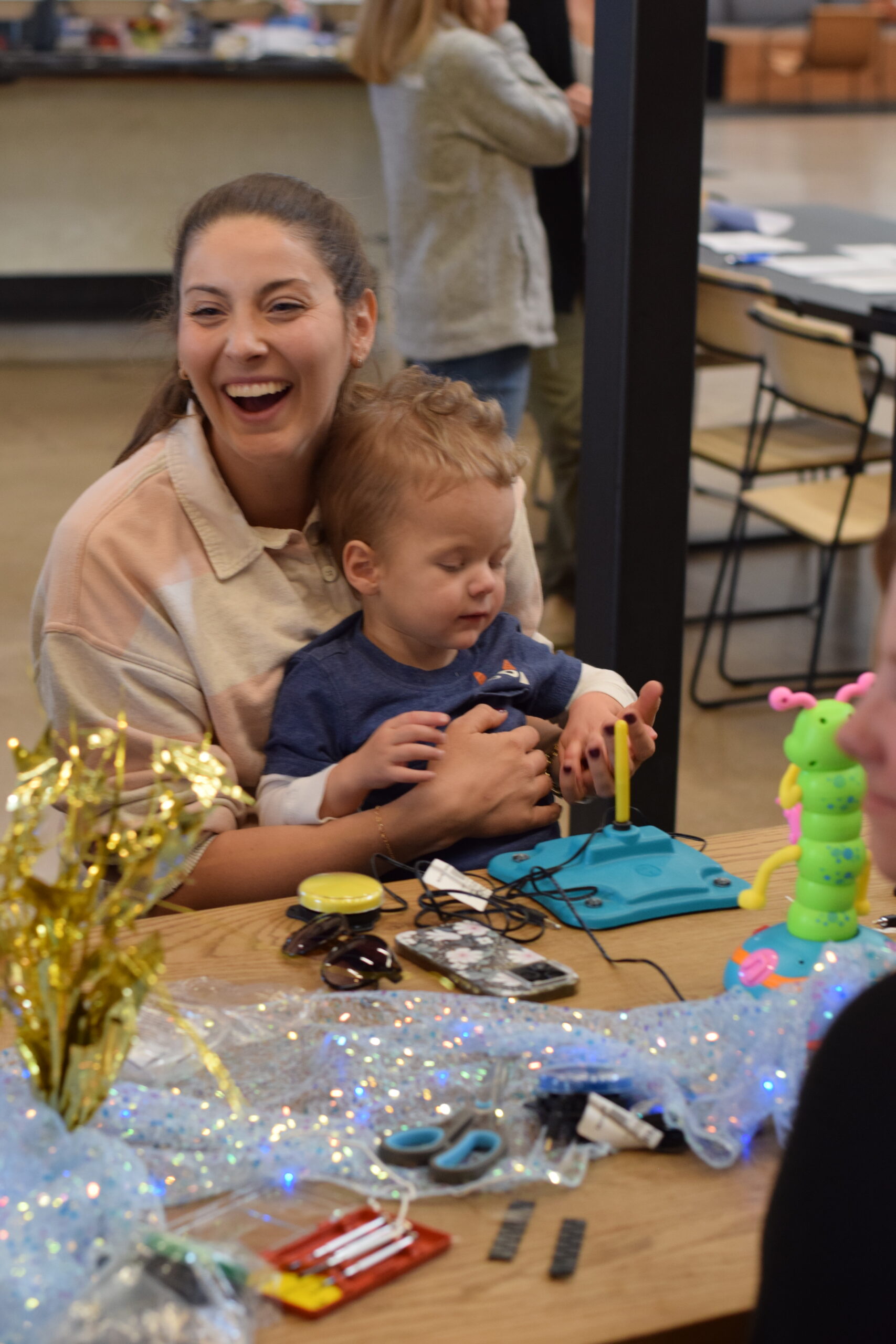 with a small button that they would have otherwise not been able to interact with.”
Beyond the adaptations made possible at the event, Grace and Cabrey also helped design instructions and created a video for other families to learn from, enabling even more families to bring accessibility into their own homes.
“This kind of event allows children with disabilities to enjoy the same toys that non-disabled children enjoy without having to think about it. They don’t have to press that tiny on/off switch, they have another mechanism to make that play possible,” said Kim Matthews, a volunteer at TRE.
Try It Yourself: Adaptive Toy Tutorial
Follow our step-by-step guide to learn how to adapt electronic toys with accessible switches here.






Leave a Reply